Shadow Play
That cold winter rain has gone.
The sun has at last appeared!
And look!
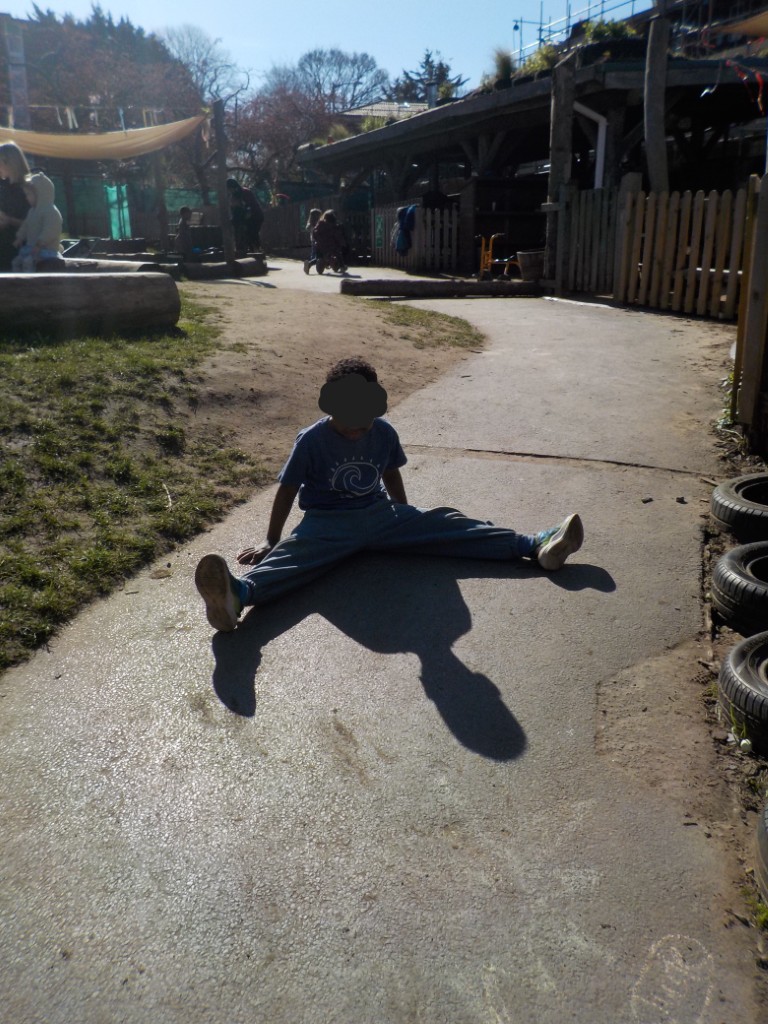
Our shadows have appeared!
Our St. Paul’s Promise “I use all my senses to engage in scientific enquiry” supports children to
Observe and notice
Explore and experiment
Wonder and question
With curiosity!
With confidence!
With delight!
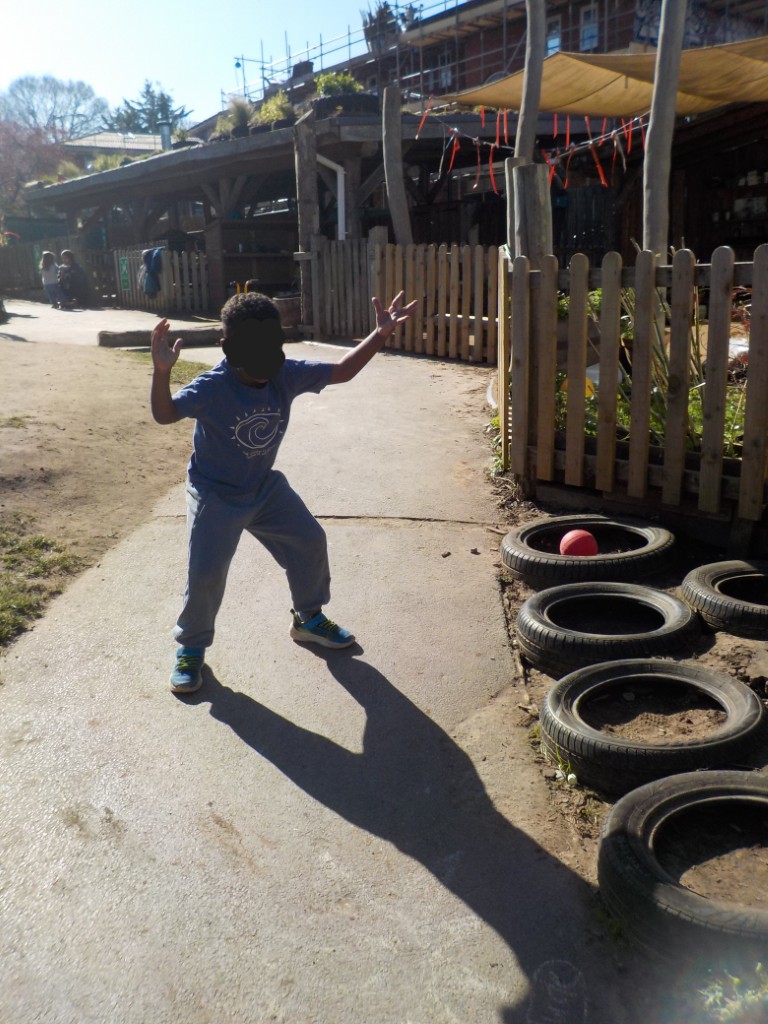
Have you made shadows in the sun?
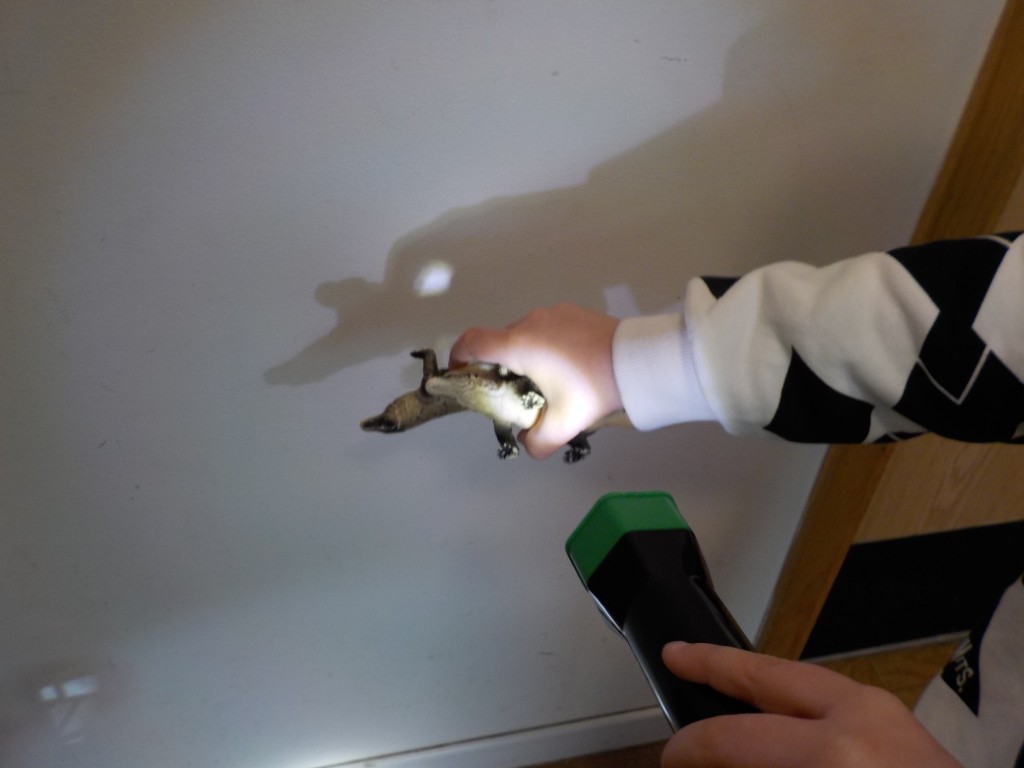
Or with a torch?
Have you noticed the shapes you can make?
With your arms
With your legs
With your body
Or your fingers
What shadows can you make today?
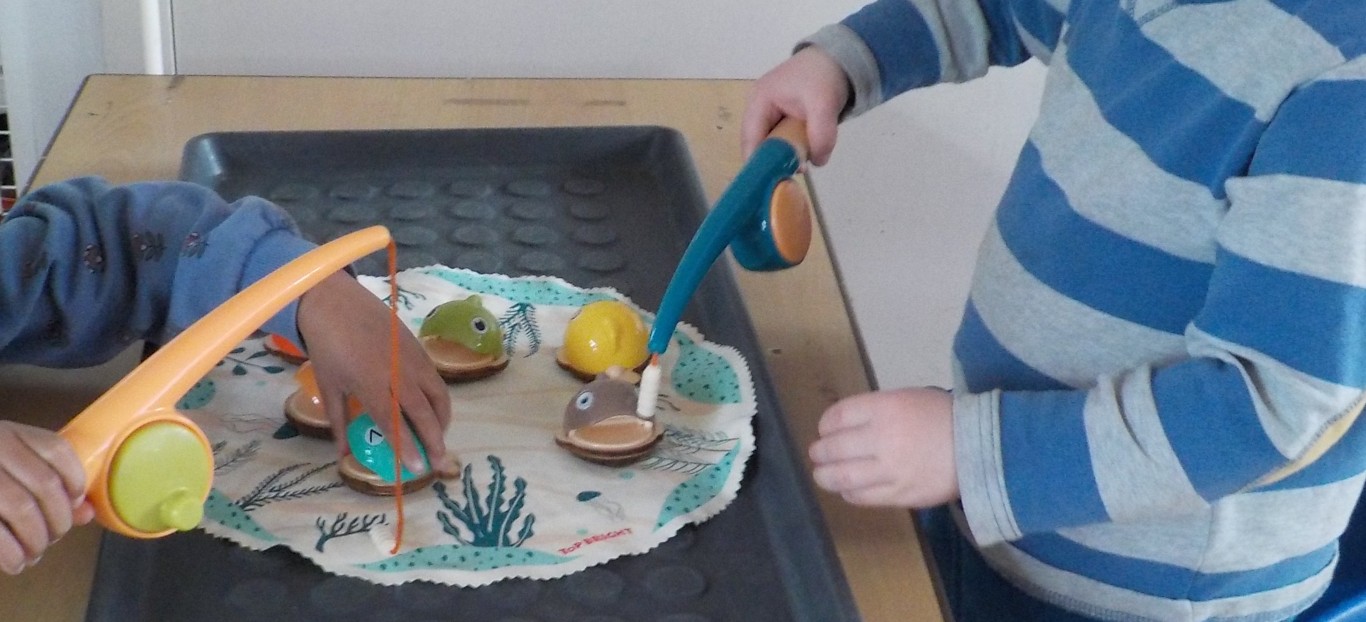
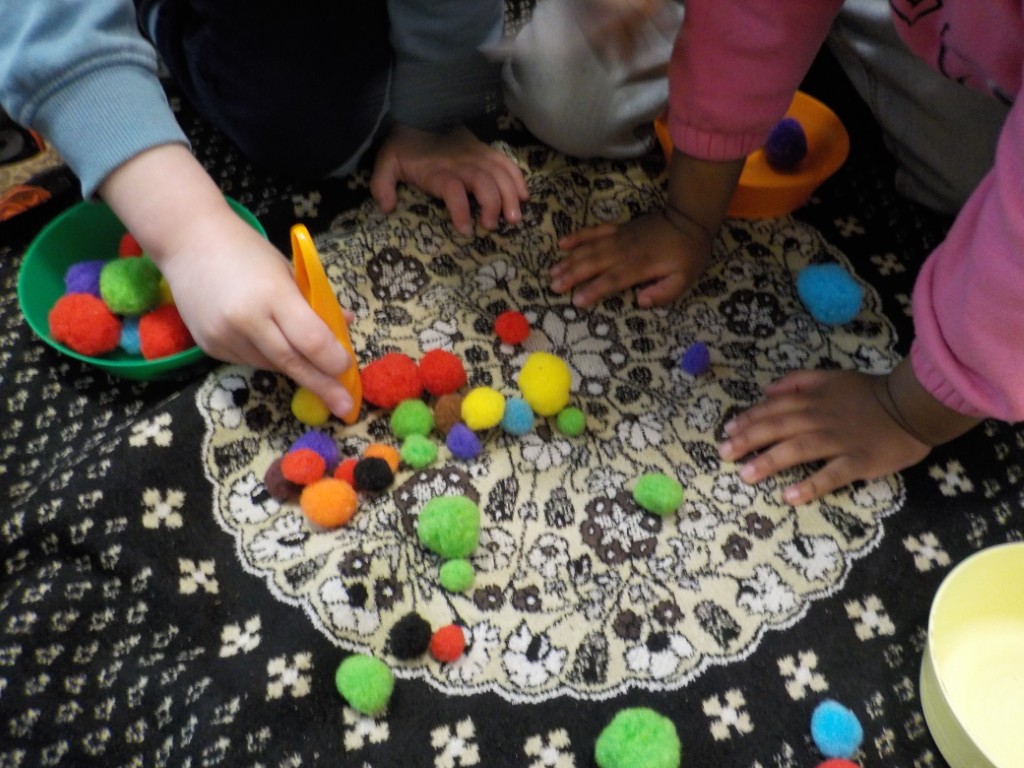
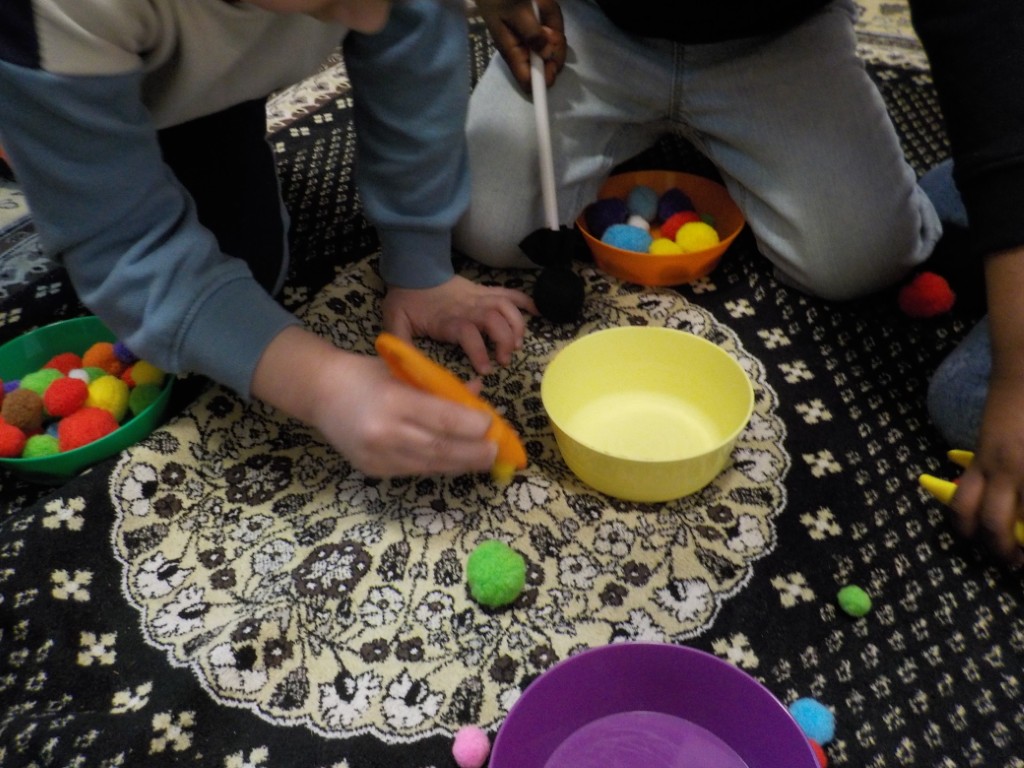
Fingers for Fine Motor!
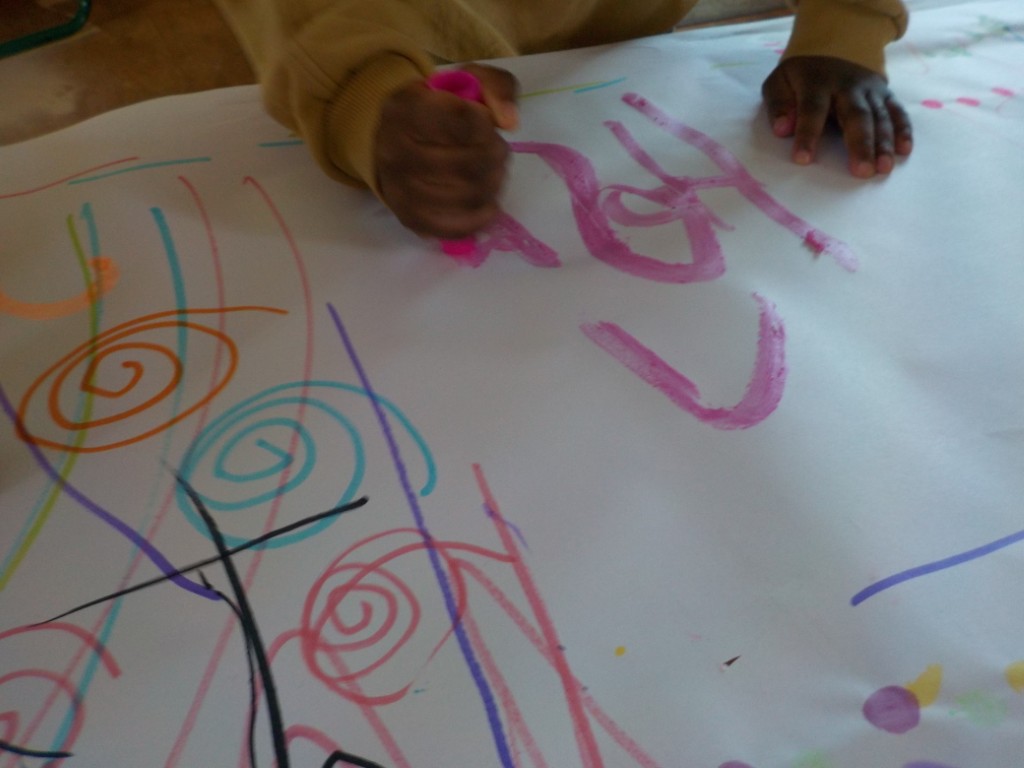
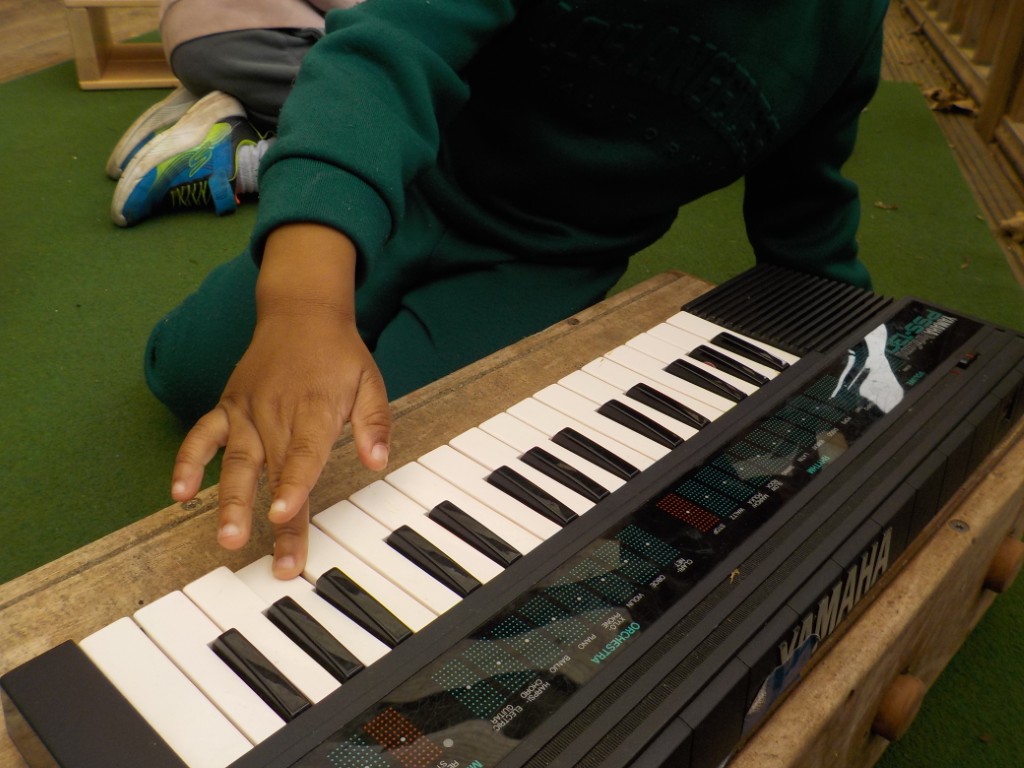
Fingers! Fingers! Fingers!
What amazing tools these are – right at the end of our arms!
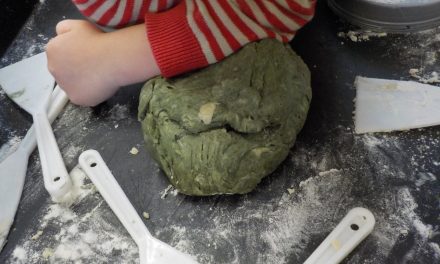
We are using them for
Squeezing
Rolling
Pinching
Poking
Pointing
Pressing
All the tools and materials we have are helping children with the physical experiences and skills that support early writing.
It’s like a “finger gym”!
Did you know that developing these fine motor skills is essential for early writing?
Our St. Paul’s Curriculum – Physical Development – supports children to have control of and manipulate tools and materials – including writing tools.
Children need lots of experiences to playfully explore pincer grasp and hand-eye coordination.
Dexterity and perseverance
Hand muscles and finger strength
Control and coordination of both hands
Are all important in developing early writing skills
So fingers are ace!
Capture on Camera
The world is full of technology isn’t it?
And it’s easy to get lost in, isn’t it!
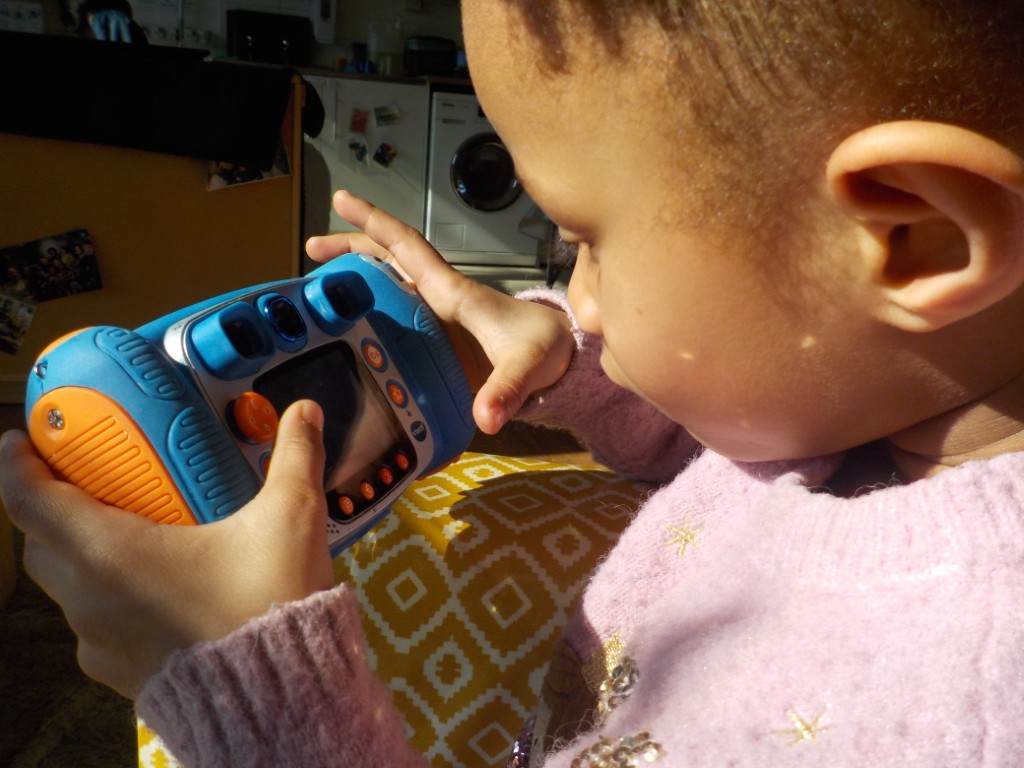
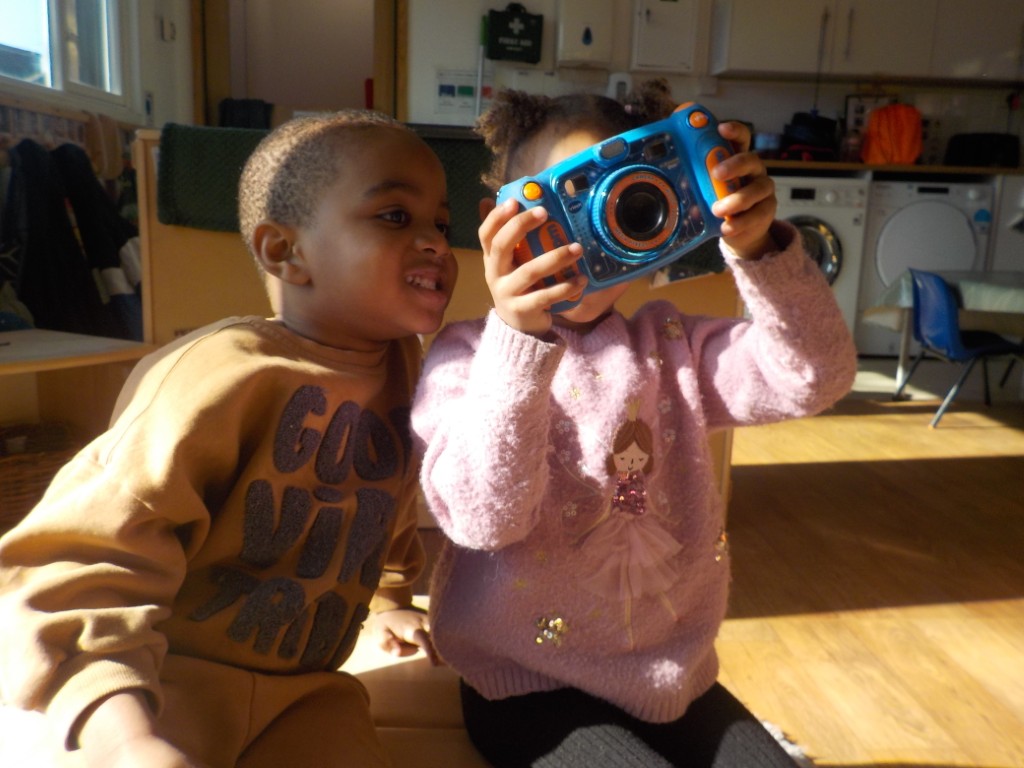
But here at Nursery we use cameras and tablets and computers to RESEARCH QUESTIONS and DOCUMENT LEARNING.
Children have been busy documenting their day!
And capitalising on each others’ point of view and artistic eye.
Digital Art!
Digital photography!
It’s so interesting to see what is important to the children in that moment, on that day.
It’s so interesting to notice how much photography is not only a personal record and document for one child, but a social occasion to share the snap, talk about the photograph, notice what the other child notices!
Our St. Paul’s Curriculum – Expressive Art and Design – supports children to express themselves using lots of different tools and materials ; be creative thinkers ; and, have skills to explore, design and make.
We wonder what the children will capture on camera today!
Maths Comes Alive! – Patterns, Shapes, Sorting, Counting
“Just as the foundation of a building anchors it in the earth and provides essential support for the growing structure, in the first three years of life children engage in a very fundamental way with concepts that anchor a child’s mathematical thinking and are essential for the growth of further mathematics.”
Erikson Maths Collective
Maths comes alive in our play!
Children are playful with pattern and number and shapes and sorting.
Did you know some American researchers say that young children develop essential firm foundations in early maths that help later learning?
These researchers say there are 4 key maths concepts children develop :
Attributes – how we see properties of things that help us describe or classify the world
Comparison – how we notice and talk about sameness and difference
Pattern – how we look out for regularity and repetition ( the pattern of something )
Change – how we explore how things change or transform ( like when we add shapes together to make new shapes 0
Our St. Paul’s Curriculum – Mathematical Development – supports children to see patterns and make connections – understand shape, space and measure – and count to find out how many.
So much maths!
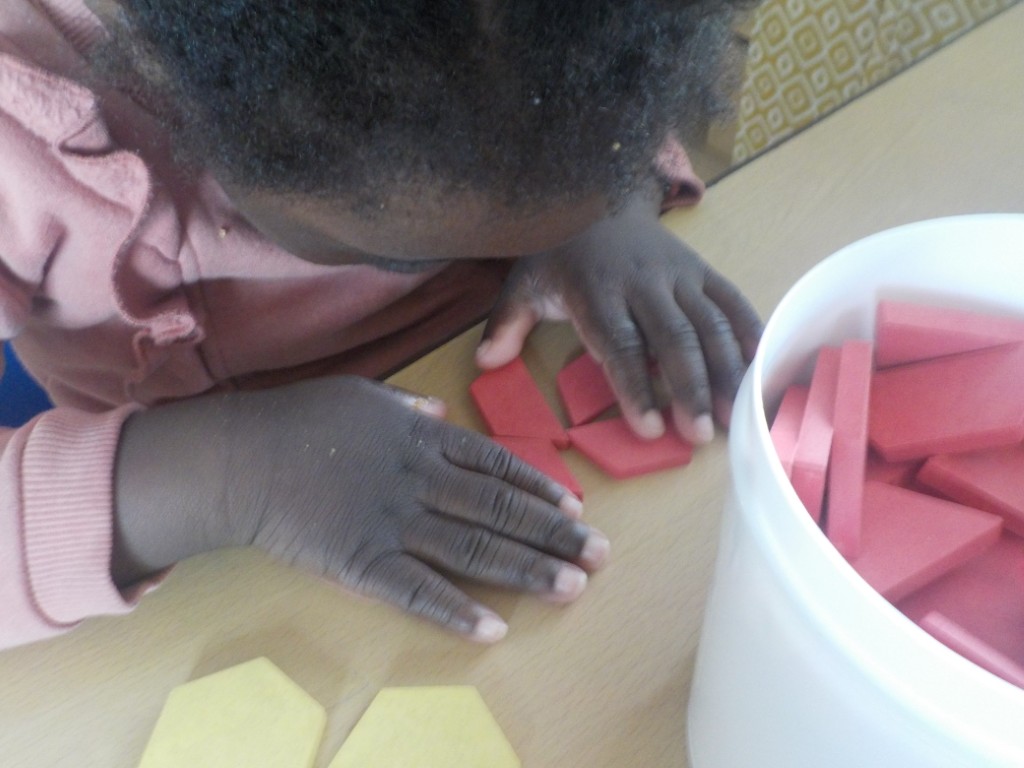
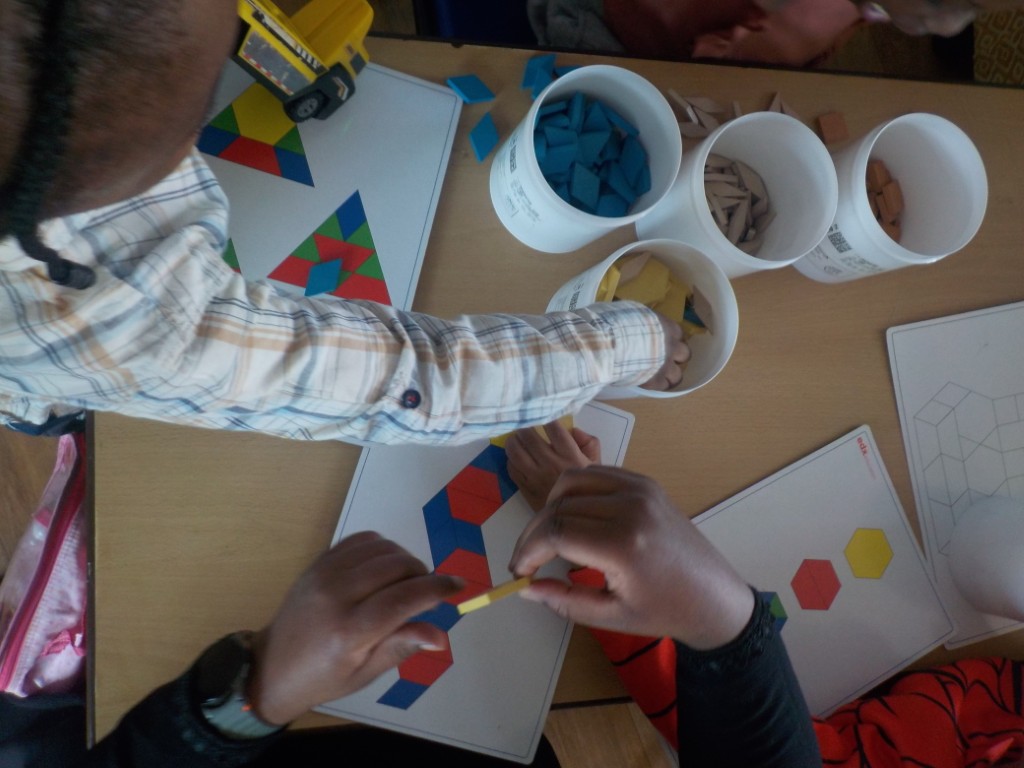
Children have been really exploring the different properties of shapes, transforming them by adding them together and pulling them apart.
We have been particularly fascinated by the use of tangrams – those wooden shapes you see here.
Can you see how the tangrams can be composed and put together to make all sorts of wonderful patterns and shapes?
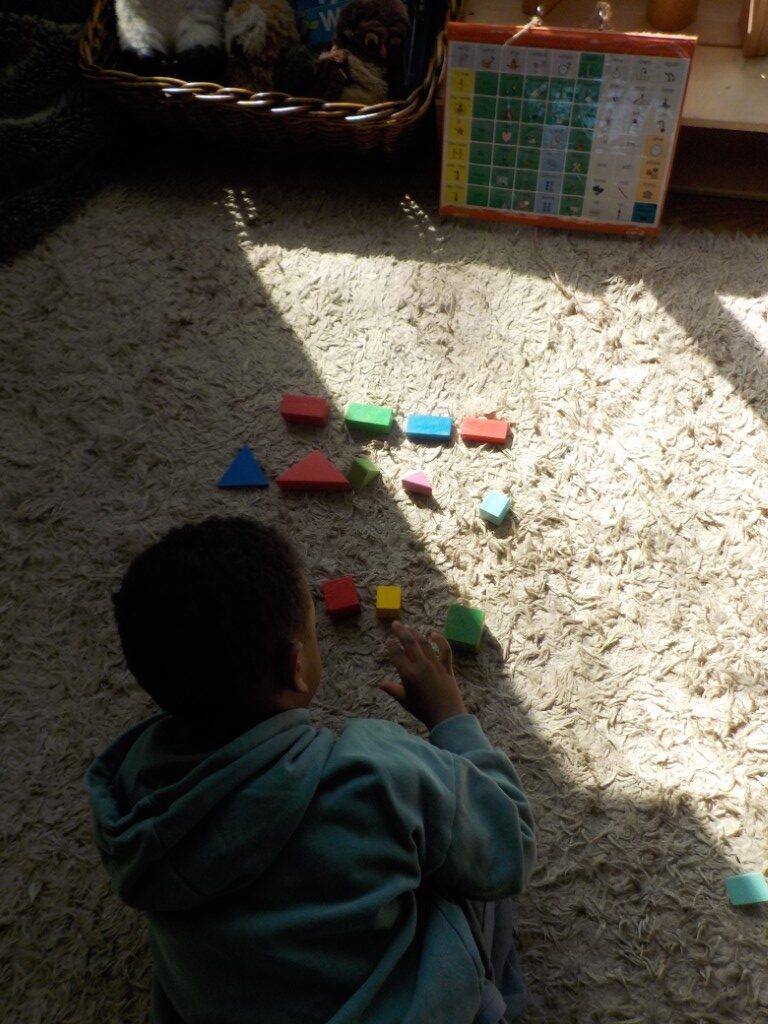
Children have been busy sorting too – by shape!
Can you see how the triangles and rectangles have been lined up together?
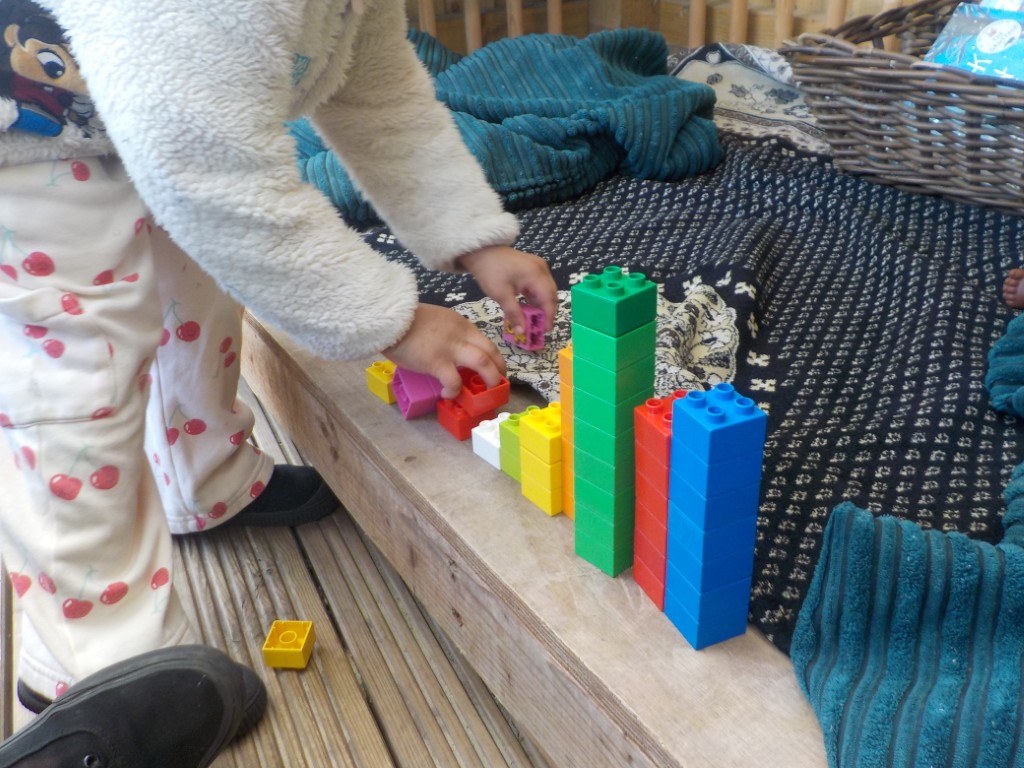
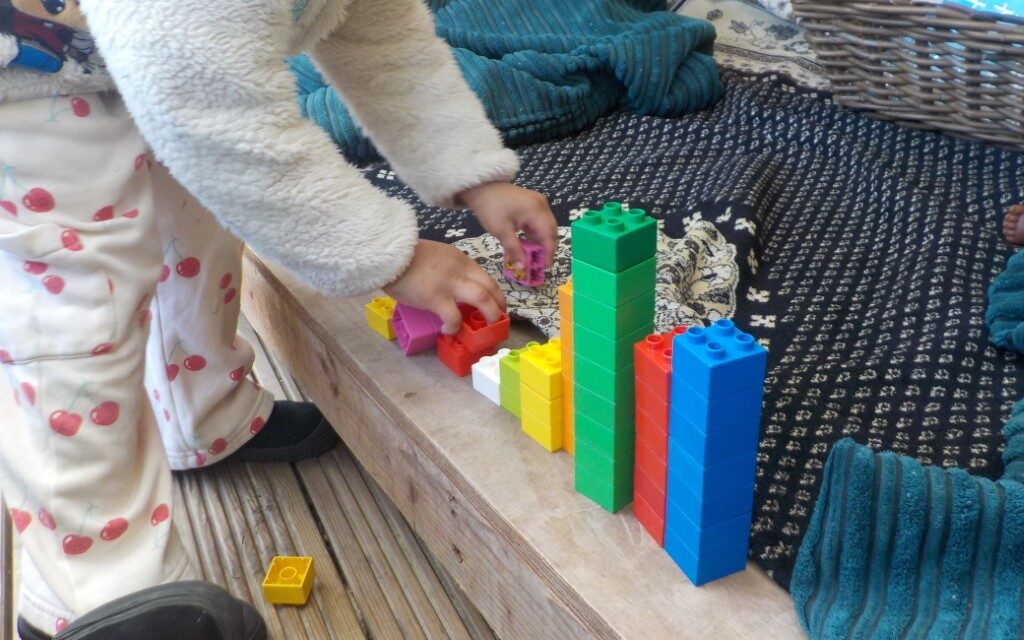
Children have been making number patterns too!
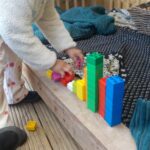
Can you see the DUPLO arranged in the number sequence – 1, 2, 3, 4, 5,6, 7!
Maths really does come ALIVE in our play!